

Could I Be Autistic? Signs of Autism in Adults
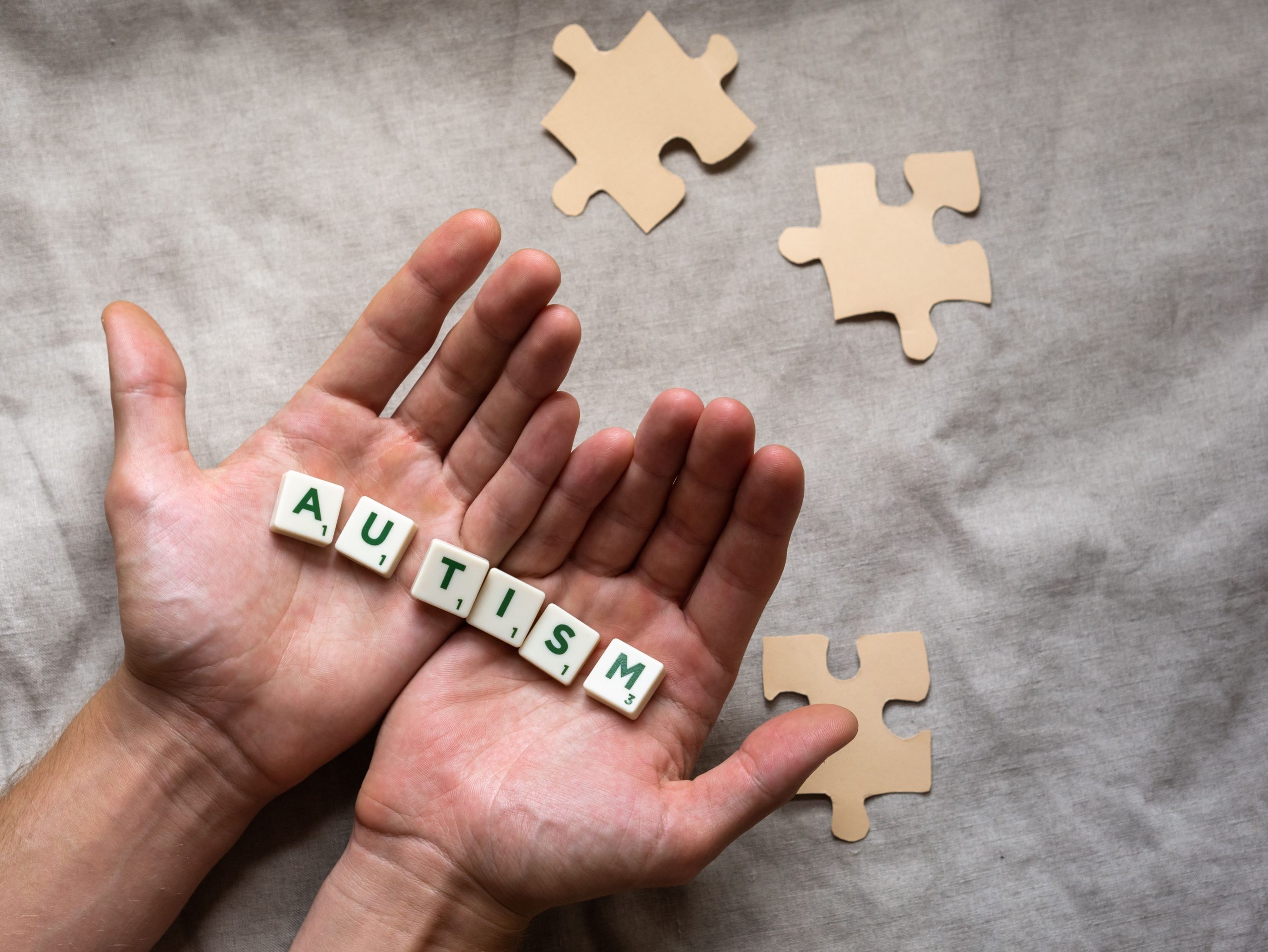
For many people, autism is something they associate with childhood. However, autism is a lifelong neurodevelopmental difference, and not everyone receives an autism spectrum disorder (ASD) diagnosis when they are young. Some people reach their 20s, 30s, 40s, or beyond before they begin wondering whether autism could help explain certain patterns they’ve experienced throughout their lives.
Perhaps social situations have always felt more complicated for you than they seem to be for other people. You may become overwhelmed by certain sounds, textures, lights, or crowded environments. Maybe changes to your routine are particularly stressful, or you have interests that you pursue with an intensity others do not always understand.
Experiences like these do not automatically mean you are autistic. However, when certain characteristics have been present throughout your life and affect how you communicate, interact with others, process sensory information, or navigate everyday situations, an autism evaluation may provide helpful answers.
At Michelle C. Delehant, Ph.D., Inc., in Mokena, IL, we offer ASD evaluations across the lifespan and are one of the few practices in the area to offer adult ASD evaluations. Our goal is to help individuals better understand how they function and provide useful recommendations based on their individual needs.
Why Is Autism Sometimes Missed Until Adulthood?
Autism can look different from one person to another. Some autistic people have characteristics that are recognized early in childhood, while others learn ways of adapting to their environment that make those characteristics less apparent.
Adults who were not diagnosed as children may have spent years developing strategies to navigate social situations, school, work, and relationships. They may have learned to observe other people closely and consciously imitate certain social behaviors. Some may prepare extensively before social interactions or rely on routines and scripts to make situations feel more predictable.
This is sometimes described as masking or camouflaging.
Autism may also be overlooked when a person performs well academically, has a successful career, maintains relationships, or does not fit common stereotypes of what an autistic person is “supposed” to look like.
Women and girls, in particular, have historically been at risk of having autism overlooked or identified later. Their characteristics may be interpreted as shyness, anxiety, perfectionism, or other concerns rather than recognized as possible signs of autism.
For some people, it’s not until the demands of adulthood increase that their usual coping strategies become harder to maintain. College, careers, relationships, parenting, and independent living can all introduce new social and executive-functioning demands. These experiences may lead someone to begin asking, “Could I be autistic?”
What Are Signs of Autism in Adults?
There is no single characteristic that determines whether someone is autistic. Autism involves patterns related to social communication and interaction as well as restricted or repetitive behaviors, interests, or patterns. The way these characteristics appear can vary considerably among individuals.
The following are some experiences that may lead adults to consider an ASD evaluation.
Social Situations Feel Difficult to Navigate
Social communication may feel less intuitive for some autistic adults. You might have difficulty knowing when to enter a conversation, understanding what another person expects from you, or recognizing subtle social cues.
You may also find yourself replaying conversations afterward and wondering whether you said the “right” thing.
Some adults describe feeling as though everyone else received a social rulebook that they somehow missed. They may be able to participate successfully in conversations but feel that doing so requires considerable conscious effort.
You Prefer Direct Communication
Figurative language, sarcasm, hints, and implied meanings can sometimes create confusion. You may prefer when people communicate clearly and say exactly what they mean.
Conversely, others may occasionally perceive your own communication as overly direct even when you do not intend to be rude or dismissive.
Communication differences can also involve difficulty determining when someone has lost interest in a topic, knowing how much detail to provide, or participating comfortably in small talk.
Socializing Leaves You Exhausted
A person can appear socially capable while expending significant mental energy to maintain that appearance.
If you consciously monitor your facial expressions, eye contact, body language, tone of voice, or conversation topics, socializing may be particularly tiring. You might enjoy spending time with people but need substantial time alone afterward to recover.
For some adults, this exhaustion is connected to years of masking autistic characteristics.
You Have Intense or Highly Focused Interests
Many people have hobbies and subjects they enjoy. For autistic adults, however, certain interests may be especially focused, detailed, or important.
You might spend extensive amounts of time learning about a particular subject, collecting information, or developing expertise. Talking about these interests may bring significant enjoyment and comfort.
These interests are not inherently problematic. In fact, the ability to focus deeply on a subject can be a strength. During an autism evaluation, however, the intensity and role of these interests may be considered alongside other aspects of a person’s development and functioning.
Changes in Routine Can Be Stressful
Predictability can be especially important for some autistic adults. You may prefer to complete activities in a particular order, follow established routines, or know exactly what to expect before entering an unfamiliar situation.
An unexpected schedule change, canceled plan, change in work responsibilities, or other disruption may cause more distress than other people seem to experience.
Having routines does not necessarily indicate autism. The larger question is how important predictability is to you and how strongly unexpected changes affect your ability to function.
You Experience Sensory Differences
Sensory processing differences are another common experience among autistic people.
You may be especially sensitive to certain:
- Sounds
- Lights
- Smells
- Textures
- Clothing materials
- Food textures or tastes
- Temperatures
- Crowded or visually busy environments
For example, fluorescent lights may feel extremely distracting, certain clothing seams may be difficult to tolerate, or the combined noise of a busy restaurant may quickly become overwhelming.
Sensory differences can work in the opposite direction as well. Some people actively seek particular sensory experiences, such as movement, pressure, sounds, or textures.
You Use Repetitive Movements or Behaviors
Some autistic people engage in repetitive movements or behaviors, sometimes called “stimming,” to regulate emotions, manage sensory input, concentrate, or express excitement.
In adults, these behaviors may be relatively subtle. They could include tapping a foot, rubbing certain textures, pacing, playing with an object, repeating phrases, or making repetitive hand movements.
An adult who has spent years masking may also have learned to suppress these behaviors in public.
Relationships Have Sometimes Been Challenging
Friendships, romantic relationships, and workplace relationships involve numerous unwritten social expectations.
You may have difficulty knowing how frequently to contact someone, recognizing when a relationship has changed, interpreting another person’s intentions, or understanding why someone responded negatively to something you said.
Some autistic adults have strong and fulfilling relationships but prefer a smaller social circle or connect most comfortably with people who communicate in similar ways.
You’ve Always Felt “Different”
Some adults seeking an ASD evaluation have difficulty identifying one specific concern. Instead, they describe a lifelong feeling that they experience the world differently from the people around them.
Perhaps you struggled socially as a child without understanding why. You may have been described as unusually quiet, sensitive, independent, intense, rigid, or focused on particular interests.
Looking at these experiences from a developmental perspective can be an important part of determining whether autism could provide an explanation.
Autism Can Look Different in Every Adult
Reading a list of autism characteristics online cannot tell you whether you have ASD. Many experiences associated with autism can also occur with ADHD, anxiety, learning differences, or other conditions. People may also have more than one condition or neurodevelopmental difference.
This overlap is one reason a thorough evaluation can be helpful.
Rather than looking at a single behavior or questionnaire score, an evaluation considers a broader picture of how you think, communicate, process information, and function in everyday life.
What Can an Adult Autism Evaluation Tell You?
Receiving an evaluation as an adult can help answer questions you may have carried for years.
For some people, an ASD diagnosis provides a new framework for understanding their past experiences, relationships, sensory needs, communication style, strengths, and challenges. An evaluation can also help distinguish autism from other possible explanations for the difficulties a person is experiencing.
The purpose is not simply to assign a label. A useful evaluation should help you better understand how you function and what may help you move forward.
At Michelle C. Delehant, Ph.D., Inc., our philosophy is that cognition drives functioning. Understanding how someone functions can provide valuable insight into why they are struggling and what types of support may be beneficial.
Testing is tailored to each individual’s concerns, history, and needs, with recommendations designed to address the questions that brought the person in for an evaluation.
Neurodiversity-Affirming Evaluations for Adults
Seeking an autism evaluation does not mean there is something “wrong” with you.
Autism is associated with differences in how a person experiences and interacts with the world. Alongside challenges, autistic individuals may have meaningful strengths, including deep knowledge of particular subjects, attention to detail, creativity, honesty, persistence, and unique approaches to problem-solving.
Michelle C. Delehant, Ph.D., Inc. is a female-owned practice with a diverse staff. Although trained in the medical model, our practice is neurodiversity affirming, LGBTQ friendly, and sensitive to the ethnic and cultural backgrounds of the wide range of clients we are privileged to serve.
Our goal is to understand the individual rather than make assumptions based on stereotypes.
ASD Evaluations Across the Lifespan in Mokena, IL
If you’ve spent years wondering why certain aspects of life seem more difficult for you than for others, seeking an evaluation can be an important step toward finding answers.
Michelle C. Delehant, Ph.D., Inc. offers ASD evaluations across the lifespan and is one of the few practices in the area offering adult ASD evaluations. We also see very young children beginning at age 3, allowing our practice to serve individuals and families at many different stages of life.
In addition to autism testing, we provide neuropsychological evaluations for concerns involving attention, learning, memory, and other aspects of cognitive functioning. Services include ADHD testing, autism testing, memory testing, cognitive testing, and learning disability testing. We also provide specialized neuropsychological evaluations for attention problems in girls and women.
For older adults experiencing memory concerns, we are also one of the few practices in the area that continues to accept Medicare.
Evaluations are available through our office at 9990 W. 190th Street, Suite A, Mokena, IL 60448, with certain services also available virtually through telehealth when appropriate.
With 25 years of experience in neuropsychological testing, Dr. Michelle Delehant tailors assessments to each person’s concerns and history. If you’re wondering whether autism could help explain the way you experience and navigate the world, contact Michelle C. Delehant, Ph.D., Inc. in Mokena, Illinois, to learn more about adult ASD evaluations and take the next step toward finding answers.